 讲知识 · 讲经验 · 讲未来
 人人可分享 · 处处是课堂
 科技 · 财经 · 游戏 · 快讯,每日更新
 诚搜315观察网
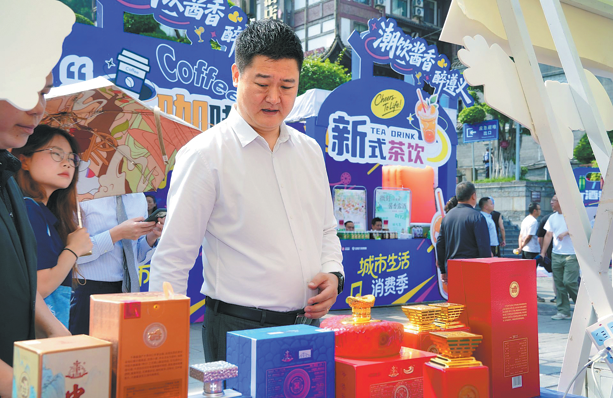
Visitors explore new liquor products and tourism experiences at the fourth Zunyi Sauce-Aroma Baijiu Festival in Renhuai, Guizhou province, on Oct 16.
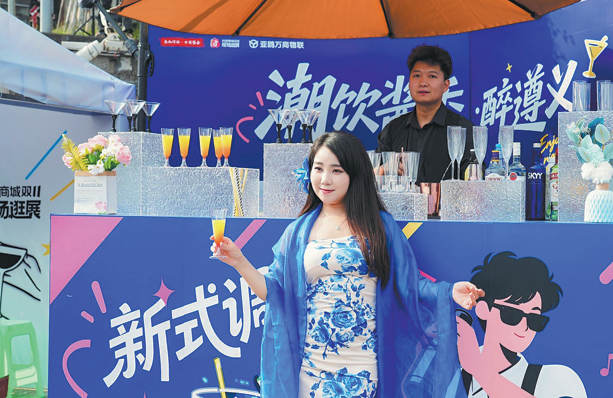
Visitors explore new liquor products and tourism experiences at the fourth Zunyi Sauce-Aroma Baijiu Festival in Renhuai, Guizhou province, on Oct 16.
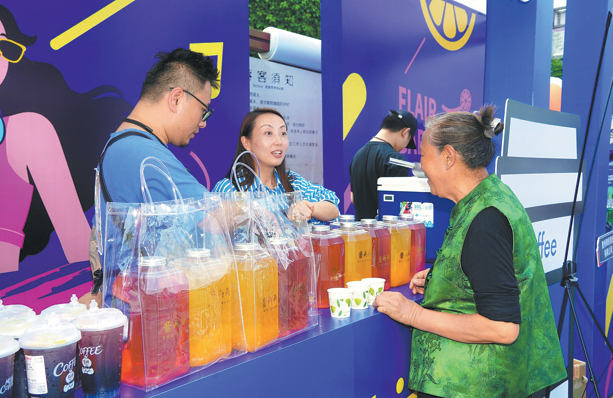
Visitors explore new liquor products and tourism experiences at the fourth Zunyi Sauce-Aroma Baijiu Festival in Renhuai, Guizhou province, on Oct 16.

A performance featuring the opening of liquor jars marks the start of the fourth Zunyi Sauce-Aroma Baijiu Festival in Renhuai, Guizhou province, on Oct 16.
Chinese baijiu (white liquor) makers are looking beyond the bottle, offering new drinking experiences and lifestyle choices as the traditional market faces mounting pressure.
In Renhuai, a city in Guizhou province known as the home of China's leading liquor brand Kweichow Moutai and numerous other distilleries, some producers are mixing traditional sauce-aroma baijiu with fruit juice to create lighter drinks for casual occasions. Others are turning distilleries into tourist attractions, adding music, games and interactive activities to liquor tastings.
The shift reflects a message from Qin Shuyao, head of the China National Association for Liquor and Spirits Circulation: Baijiu makers need to rethink not only what goes into the bottle, but how people enjoy it.
Speaking on Oct 16 at the fourth Zunyi Sauce-Aroma Baijiu Festival in Renhuai, Qin said the industry was undergoing a major adjustment. Production among large-scale baijiu makers fell 4.7 percent year-on-year in the first half of 2026, while listed companies across the sector faced mounting pressure on revenue and profits.
Rather than simply producing more liquor, the industry should focus on creating greater value and finding new ways to connect with consumers, Qin said. That means moving beyond business banquets and formal social gatherings to embrace everyday get-togethers and personal enjoyment.
"The future of the baijiu industry lies not in brewing a few more tons of liquor, but in creating more ways of life," he said.
For generations, baijiu has been deeply embedded in Chinese social life. Toasts at business dinners, holiday celebrations and family banquets have traditionally served as expressions of respect, friendship and solidarity. But a drinking culture shaped by social obligations does not fully reflect the preferences of younger consumers.
Consumers are becoming more selective about their spending and paying closer attention to product quality and personal needs, Qin said. Casual gatherings and individual experiences are creating new drinking occasions, while lower-alcohol beverages, smaller bottles and instant retail services are gaining traction.
In Zunyi, emerging brands are experimenting with ways to make baijiu more approachable. Jiang Liangliang, a local beverage brand, combines sauce-aroma baijiu with fruit flavors to soften its strong taste and appeal to newcomers.
"Our products are mainly aimed at consumers who want a more relaxed drinking experience, with a particular focus on women," said Chen Jun, who runs the brand.
Established distilleries are exploring new possibilities. Guizhou Jinjiao Liquor Industry has opened more than 10 neighborhood stores and developed mixed drinks using sauce-aroma baijiu. Customers can combine the spirit with fruit juices to create blends suited to their tastes.
The transformation goes beyond the drink itself.
Renhuai, in Zunyi, is one of China's major production centers for sauce-aroma baijiu. Its long brewing history, the distinctive environment around the Chishui River and generations of distilling expertise have helped shape the region's identity.
In the past, distillery tourism largely revolved around factory tours, demonstrations of brewing techniques and liquor purchases. Now, local businesses and tourism authorities are working to give visitors a more varied experience.
At this year's festival, organizers introduced travel routes covering several baijiu tourism districts and added music, games and other interactive activities.
Ding Wenjie, a representative of a tourism association from Guilin in the Guangxi Zhuang autonomous region, was visiting Zunyi for the third time. His previous trips had focused mainly on distillery tours and liquor purchases. This year, he said, the range of cultural and tourism activities had grown considerably.
"Visitors can take part in interactive games, listen to music and try mixing drinks in designated experience areas," Ding said. "Baijiu has become part of the travel experience rather than the sole reason for the visit."
Zunyi received 8.28 million visits related to baijiu tourism from January to July, generating 16.05 billion yuan ($2.40 billion) in spending, according to the city's culture and tourism bureau.
For distilleries, combining liquor production with tourism offers another way to connect with consumers and generate revenue. Visitor experiences, dining, accommodation and cultural activities all create additional spending opportunities, allowing producers to generate income beyond bottled liquor sales.
Contact the writers at liuboqian@chinadaily.com.cn
来源:中国日报