 讲知识 · 讲经验 · 讲未来
 人人可分享 · 处处是课堂
 科技 · 财经 · 游戏 · 快讯,每日更新
 诚搜315观察网
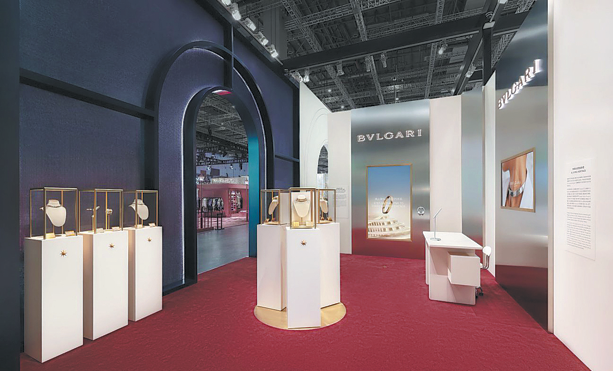
Bvlgari's booth at the ninth China International Import Expo in Shanghai on Nov 5.

Bvlgari CEO Laura Burdese
For Bvlgari CEO Laura Burdese, jewelry is more than a luxury — it is an intimate emotional carrier, a cross-era cultural legacy and a steady value anchor through market cycles.
At her first China International Import Expo, Bvlgari's seventh appearance at the event, Burdese has presented the brand's A Living Heritage vision and a clear verdict: "For Bvlgari, the Chinese market is of vital importance."
Amid global luxury headwinds, jewelry stands out as a resilient bright spot, a trend Burdese ties to its inherent dual nature. "Jewelry has a very strong emotional role — it is a wearable piece of art, personal and intimate, that celebrates life's important moments. But it also has a financial side: timeless and enduring," she explained.
This dual appeal matches Chinese consumers' shift toward lasting value over fleeting status symbols, underpinning her market confidence.
Since entering China in 2004, Bvlgari has expanded to roughly 35 boutiques across 23 cities. It also operates two luxury hotels, forging a "long love story" rooted in shared Sino-Italian affinities for family, cuisine and the art of living, lending its bold aesthetic natural resonance.
For Burdese, the CIIE embodies this two-way bond, far more than a showcase. "China moves fast, with unmatched vibrancy and deeply sophisticated consumers," she said. "I'm here with my eyes and ears wide-open to listen, learn and connect with Chinese customers directly."
This ethos shapes the brand's A Living Heritage booth, built around three "bridges" that bring together heritage and innovation, with a special focus on Chinese consumers and Chinese culture.
The first, a cultural dialogue bridge, is Bvlgari's acclaimed Kaleidos: Colors, Cultures and Crafts exhibition. On show at Shanghai's Power Station of Art and extended through Nov 15 in 2026 amid strong demand, it draws on Chinese five-element color philosophy and works by leading local artists to foster two-way exchange.
The second links heritage craft to innovation via live demonstrations of the Tubogas technique by a master goldsmith from Bvlgari's Valenza manufactory. The 1940s solder-free, hand-wound technique exemplifies cross-generational craft evolution.
The third is a digital bridge: the Bvlgari Digital Passport, an authentication system for fine jewelry, high jewelry and watches, now live on a dedicated WeChat mini program. "Technology enhances human creativity and elevates our craftsmanship to reach another level of excellence," Burdese emphasized.
Burdese also sees a major consumption shift in China's high-end market that aligns with the brand's identity.
"Chinese clients want less to buy a brand, a logo, a status symbol. They want to belong to something, to buy into a brand, to be part of a universe and a community," she said.
This plays to Bvlgari's distinct DNA — bold color and yellow gold, established at its 1884 Rome founding — which broke from the muted traditional French aesthetic of the era. "It matters more to be fully yourself than to try to please everyone," Burdese stressed.
All efforts tie back to the core philosophy of A Living Heritage. "Heritage is key, but it should not be a cage. It should not be something old and dusty," she said. "We keep heritage alive by reinterpreting it for each new era, ensuring it stays vibrant, contemporary and meaningful for younger generations."
Next year, Bvlgari will take the Kaleidos exhibition to another Chinese city and roll out more archival-inspired collections. For the over 140-year-old maison, the best tribute to its legacy is not preservation under glass, but reinvention — with China at the heart of that journey.
来源:中国日报