 讲知识 · 讲经验 · 讲未来
 人人可分享 · 处处是课堂
 科技 · 财经 · 游戏 · 快讯,每日更新
 诚搜315观察网
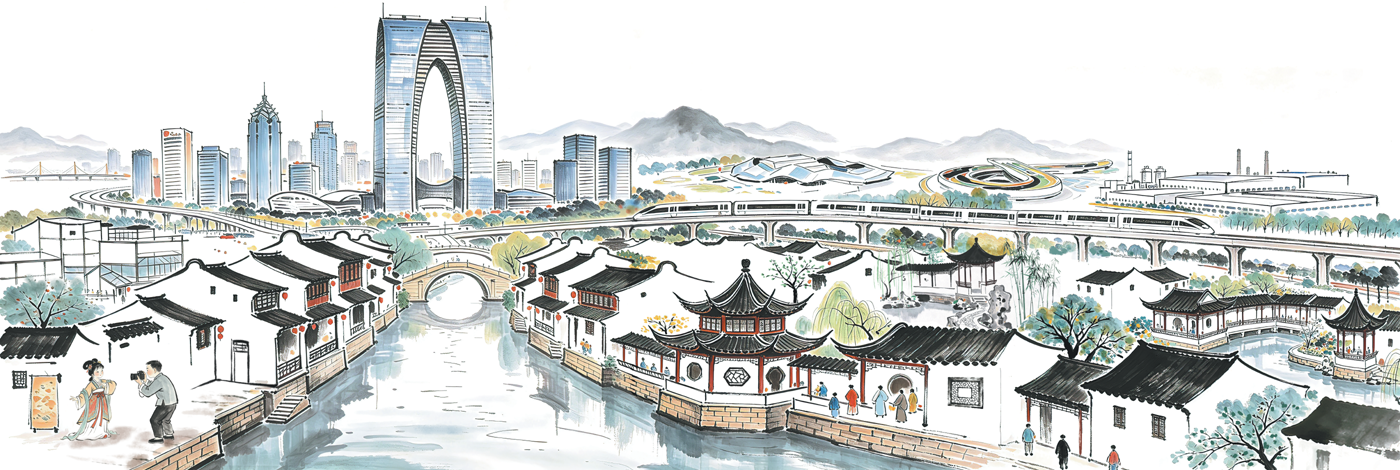
Nestled in East China's Jiangsu province, Suzhou strikes a harmonious balance between time-honored heritage and cutting-edge consumption trends.
For 2,500 years, the city has preserved its ancient urban layout and cultural essence while embracing the latest waves of consumer culture, creating a unique urban charm that blends tradition and modernity.
Home to iconic cultural symbols including Kunqu Opera, classical gardens and Suzhou embroidery, Suzhou has gone beyond displaying these treasures in museums. It has transformed them into experiential, marketable and communicable cultural products, turning culture into a driving force for economic growth.
A testament to this effort is the Jiangnan Culture and Arts and International Tourism Festival, which debuted in 2019 and opened its eighth edition on April 25. What began as a standard cultural and tourism event has evolved into a flagship cultural-tourism brand.
Suzhou boasts robust cultural consumption power that ranks among the best nationwide. It is the only prefecture-level city in China with 12 professional theaters each seating more than 1,000 people.
In 2025, the city's annual box office revenue exceeded 930 million yuan ($136.6 million), ranking ninth nationally and first in Jiangsu. It also received more than 200 million tourist visits, up 10.4 percent year-on-year, with total tourism revenue reaching 222.7 billion yuan, a 9.1 percent rise. Revenue of its cultural industries above designated size neared 430 billion yuan, growing 9 percent from 2024. These figures reflect Suzhou's consistent efforts to convert cultural resources into consumption vitality.
What also makes Suzhou unique is that it excels in both culture and economy. It is not only a popular tourist destination and consumption hub but also a world-class gateway to the Yangtze River Delta.
Inclusiveness and diversity
Suzhou's cultural consumption strength is vividly seen on its diverse stages. The dance drama The Peony Pavilion, adapted from the most representative classic of Kunqu Opera, exemplifies this creative rejuvenation.
Kunqu Opera, originating in Kunshan, a county-level city administered by Suzhou, more than 600 years ago, has influenced hundreds of local Chinese opera genres and left a profound cultural legacy.
The Peony Pavilion premiered at the seventh Jiangnan Culture and Arts and International Tourism Festival and has toured more than 20 cities in less than a year. It held its 100th commemorative performance after the eighth edition of the festival.
Suzhou dares to present tradition and contemporary art side by side. During the seventh festival in 2025, four classic Chinese operas — The Peony Pavilion, Madame White Snake, Chen San Wu Niang and The Orphan of Zhao — were reinterpreted in eight art forms by eight top troupes, including Kunqu Opera, Peking Opera, Cantonese Opera, dance drama and musicals. This showcases the inclusiveness and diversity of Suzhou's culture and the city itself.
Moreover, Suzhou has also taken art festivals out of theaters and into the streets, integrating cultural consumption into urban life. A standout example is the BenSe East-West Bridge Market. Each time it opens, entrepreneurs from across China travel by high-speed rail to sell their creations at the market.
Founded by a private art museum in 2015, this market has grown from a niche art gathering into a national landmark for oriental aesthetics, attracting over 3 million visits.
Another hit are the night tours of Suzhou's classical gardens, which present immersive shows based on classic works such as Dream Encounter in the Garden and Six Records of a Floating Life. Instead of sitting stiffly in the theater, audiences wander through the gardens as part of the performance, turning the landscapes into dynamic stages and bringing Kunqu Opera into everyday life.
Suzhou continues to expand the boundaries of integration through intangible cultural heritage revitalization, cross-border sports cooperation and digital empowerment. A positive cycle has taken shape: a rich cultural atmosphere nurtures a mature consumption environment, which attracts high-quality cultural offerings that in turn strengthen the city's cultural vibe.
Global reach
Suzhou's cultural-tourism ecosystem appeals to global audiences. As its portfolio of premium cultural products expands, the city has become a magnet for top international cultural resources.
Suzhou has hosted a steady stream of acclaimed overseas productions, including the original London West End drama Life of Pi, rock musical Wuthering Heights, French original musical The Hunchback of Notre Dame and a Canadian interactive children's show.
During the eighth festival, which ran through May 25, more international plays and musicals were presented, marking Suzhou's shift from "introducing international shows" to hosting them on a regular basis.
In addition to the Jiangnan Culture and Arts and International Tourism Festival, the Jinji Lake International Dragon Boat Race, an annual event since 2010, has become an international sports spectacle and serves as a cross-cultural communication platform.
The 15th edition, held in 2025, attracted 69 teams with 1,502 participants, including seven foreign teams from 13 countries and regions such as Canada, Switzerland, Germany, Russia, France, the United States, Italy and Spain.
It reflects the market's recognition of Suzhou audiences' mature aesthetic taste. A city can host such a diverse and intensive lineup of shows only when its market scale and audience appreciation reach a high standard.
By turning Kunqu Opera into dance dramas, gardens into night tours, markets into iconic brands and festivals into annual highlights, Suzhou has redefined cultural vitality, making culture an integral part of daily life.
haonan@chinadaily.com.cn
来源:中国日报